
The Roof of the World
Tajikistan, a majestic landlocked nation dominated by the towering Pamir and Alay mountains, remains one of the world's most rugged and awe-inspiring destinations. As a vital link on the ancient Silk Road, it is a land where Persian culture flourishes amidst some of the highest peaks on Earth.
From the legendary Pamir Highway to the emerald waters of the Fann Mountains and the ancient Silk Road ruins of Sarazm — Tajikistan offers a uniquely adventurous journey into a world of dramatic landscapes and legendary mountain hospitality.
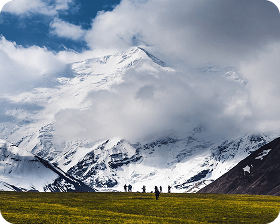
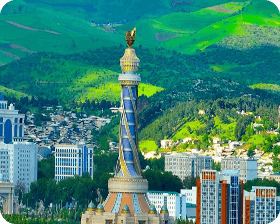
The Pamir Highway
Often called the "Hero Road," the M41 is the second-highest international highway in the world. It traverses desolate high-altitude plateaus and lunar landscapes, offering the ultimate road trip for adventurous souls.
The Fann Mountains
Famous for their "Seven Lakes" (Haft Kul), these mountains feature crystal-clear alpine waters that shift in color from turquoise to deep purple. It is a premier destination for world-class trekking and photography.
Ancient Persian Roots
Tajikistan is the heart of Persian-speaking culture in Central Asia. Its history is preserved in ancient archaeological sites like Panjakent and through the living traditions of its soulful poetry, music, and art.
The Gissar Fortress
A formidable historical site located near the capital, Dushanbe. This reconstructed gatehouse and citadel symbolize the strategic importance of the region as a gateway for caravans and conquerors for centuries.
When to Visit
Tajikistan’s high-altitude terrain creates a dramatic climate—understanding the seasons is essential for crossing "The Roof of the World."
Spring
Mar-May
The valleys turn vibrant green with blooming fruit orchards. Lower-altitude trails in the Gissar range are perfect for hiking. Celebrations of the Persian New Year fill the streets.
- Navruz festivities
- Valley trekking
- Dushanbe sightseeing
Summer
Jun-Aug
While valleys are hot, this is the peak season for the Pamirs. High mountain passes finally clear of snow, making the Pamir Highway and high-altitude trekking accessible.
- Pamir Highway expeditions
- High-altitude climbing
- Fann Mountains trekking
Autumn
Sep-Nov
The "Golden Autumn" brings stable weather and clear skies—perfect for photography. The harvest is in full swing, offering the region’s famous grapes and pomegranates.
- Photography tours
- Cultural exchanges
- Lower Fann Lake visits
Winter
Dec-Feb
High passes often close due to snow, isolating remote villages. However, the cities remain lively, and the surrounding mountains offer a quiet, snowy majesty for those seeking solitude.
- Winter city tours
- Hot springs in Pamir
- Traditional hospitality
Celebrations & Cultural Events
Tajikistan’s calendar is deeply tied to its ancient Persian roots and mountainous terrain. Attending a local festival offers a profound look into the soulful Tajik spirit.
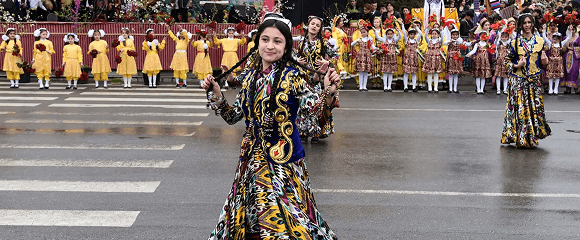
Nowruz — Spring Festival
Navruz
March 21-24
The most important celebration in Tajikistan. This ancient Persian New Year marks the spring equinox with grand feasts, traditional Gushtingiri (wrestling), and the cooking of Samanu.
Independence Day
September 9
A day of massive national pride. Dushanbe hosts grand military parades, fireworks, and open-air concerts featuring traditional folk music and dance.
Roof of the World Festival
July
Held in Khorog, the heart of the Pamirs. It is an incredible gathering of musicians and dancers from all over Central Asia, celebrating the unique "Pamiri" mountain culture.
Honey & Melon Festival
Late August
Marks Turkmenistan's permanent neutrality status recognized by the UN in 1995. Celebrated with exhibitions, cultural events, and ceremonies.
Sayri Guli Lola
April
The "Festival of Tulips," honoring the flower that originated in these mountains. It is a time of traditional choir singing and celebrations of nature's rebirth in the northern valleys.
National Unity Day
June 27
Commemorating the end of the civil war, this day is marked by cultural events emphasizing peace, reconciliation, and the shared heritage of the Tajik people.
Persian Heritage & Mountain Soul
Tajik culture is a vibrant tapestry woven from ancient Persian roots and a resilient mountain spirit. Unlike the nomadic traditions of its neighbors, Tajik heritage is deeply tied to settled oasis life and isolated highland communities.
Chakan Embroidery
Hand-stitched floral patterns that are a masterpiece of Tajik art. Recognized by UNESCO, this vibrant embroidery is traditionally worn during weddings and spring festivals.
Shashmaqam Music
A soulful, classical music tradition that blends ancient poetry with the melodic strings of the dutar and ghijak.
Hospitality (Mehmondostlik)
In Tajikistan, a guest is seen as a "blessing from God." Refusing tea or a seat at the dastarkhan (traditional table) is considered unthinkable.
Pamiri House Symbolism
In the high Pamirs, traditional homes are built with five pillars representing the family's spiritual protectors, creating a living space filled with sacred meaning.
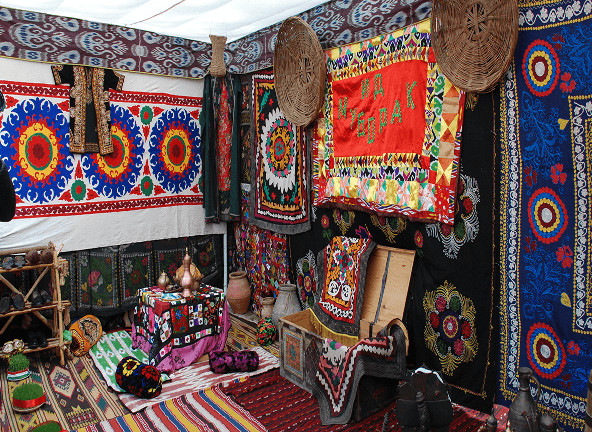
Traditional Tajikistan room decorations
Flavours of the Highlands
Tajik cuisine is wholesome, aromatic, and designed to bring people together. It reflects the agricultural richness of the valleys and the hearty requirements of high-altitude life.
Qurutob
The undisputed national dish. A communal bowl of flaky bread soaked in a sauce of qurut (salty yogurt balls), topped with fried onions, fresh herbs, and vegetables.
Osh Palov
The king of the Tajik table. Rice slow-cooked with yellow carrots, chickpeas, and tender chunks of beef or lamb, flavored with mountain cumin.
Sambusa
Crispy, triangular pastries filled with minced meat or pumpkin, baked in a traditional clay tandoor oven until golden.
Damlama
A rich, slow-cooked stew where layers of meat, potatoes, cabbage, and bell peppers are steamed in their own juices for hours.
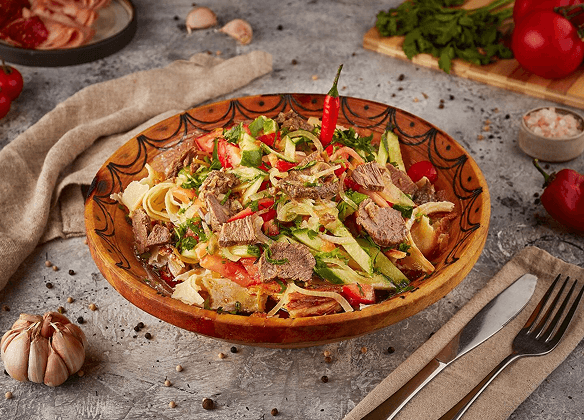
Traditional Qurutob
The Roof of the World
With 93% of its territory covered by mountains, Tajikistan is a land of vertical extremes—from the icy giants of the Pamirs to the sapphire lakes of the Fann range.
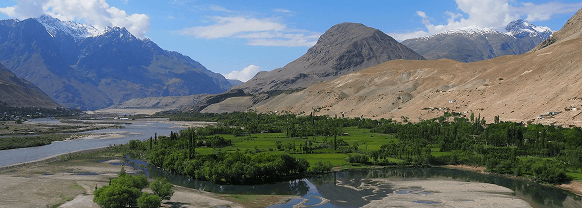 Desert
The Pamir Plateau
Known as the "Roof of the World," this high-altitude desert features desolate, lunar landscapes and some of the highest international roads on the planet.
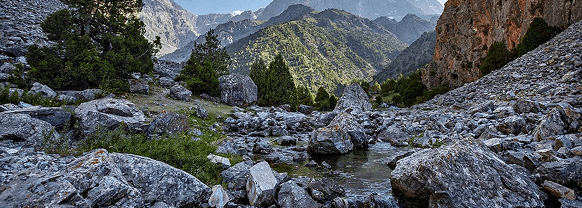 Mountains
The Fann Mountains
A paradise for trekkers, famous for its "Seven Lakes" (Haft Kul) and jagged peaks that reflect in crystal-clear alpine waters.
Notable Wildlife
AkhaMarco Polo Sheepl-Teke Horse
A majestic argali with the longest spiral horns of any wild sheep, roaming the desolate Pamir plateaus.
Snow Leopard
Tajikistan is a global stronghold for this elusive "Ghost of the Mountains," found in the high-altitude rocky massifs.
Markhor
A striking wild goat with spectacular corkscrew horns, inhabiting the steep, forested cliffs of the southern ranges.
Siberian Ibex
The most common high-mountain ungulate, often seen perched on seemingly impossible vertical rock faces.